
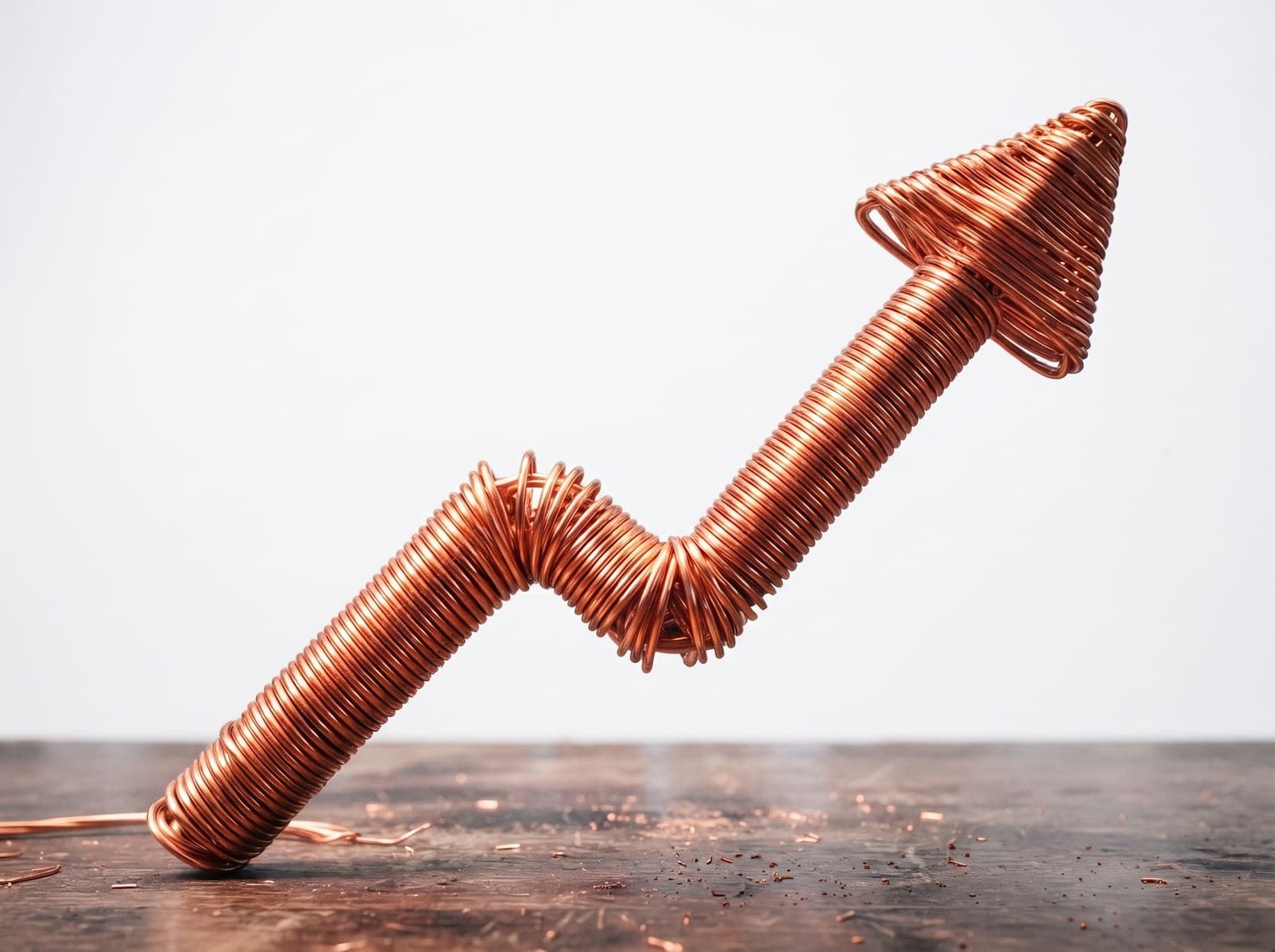
Copper wire and cable prices in the US are up roughly 18% year-over-year in mid-2026 and about 84% since February 2020, pushed by a new tier of Section 232 metal tariffs, tight global supply, and record electrical demand from data centers and electrification. Copper traded near historic highs through early 2026 — touching around $6.50 per pound in January before pulling back with broader market volatility.
If you pull wire, build harnesses, rewire boats, or bid electrical work, this is now the biggest number on your material sheet. This article breaks down what is actually driving the surge, how the 2026 tariff math works, and — most usefully — the practical moves US electricians, shops, and installers are making to protect their wiring budgets while the metal stays expensive.
What’s Driving the 2026 Surge
No single cause explains an 84% climb. Four forces stacked on top of each other — and three of them are structural, not temporary:
Section 232 Tariffs
The April 2, 2026 proclamation restructured metal tariffs into tiers of up to 50% on imported copper products — and closed the loophole by applying duties to the full customs value, not a declared foreign price.
Tight Global Supply
Disruptions at major mine sites, concentrate shortages at smelters and refiners, and shipping-lane volatility kept physical copper tight through the first half of 2026.
Record Electrical Demand
Data center construction, grid modernization, EV charging build-out, and electrification all compete for the same conductor. Every AI campus is, at the material level, a very large pile of copper.
Cost Momentum
Construction input prices climbed at a double-digit annualized pace in early 2026. Distributors reprice on replacement cost, so increases reach the counter faster than they ever retreat.
Market data tells the same story from two directions: quarter-on-quarter copper wire prices rose over 5% in Q2 2026 alone, and Associated Builders and Contractors puts copper wire and cable 83.7% above its February 2020 baseline. Forecasters generally expect prices to ease off record highs as tariff uncertainty settles — but almost nobody projects a return to pre-2020 levels while demand keeps growing.
The 2026 Tariff Math, in Plain English
The April 2026 Section 232 proclamation replaced a patchwork of metal tariffs with a tiered structure. Where a product lands in the tiers determines how much of the increase reaches your invoice:
| Tier | Rate | What Falls In It |
|---|---|---|
| Nearly-pure metal products | 50% | Products made almost entirely of copper, steel, or aluminum — bare conductor, busbar, rod |
| Derivative products | 25% | Products where the metal is the core of the value — building wire, cable assemblies, conduit |
| Metal-intensive electrical equipment | 15% (through 2027) | Transformers, panel boards, switchgear and similar equipment |
| US-sourced metal, made abroad | 10% | Products manufactured overseas using American-mined and -refined metal |
| Non-metal accessories | 0% under 232 | Polymer products — including polyolefin heat shrink tubing — sit outside the metals framework |
Two details matter more than the headline rates. First, the duties now apply to the full customs value of the import — closing a valuation loophole that previously softened the blow for importers. Second, the tiers cascade: even “domestic” wire is priced against an import-parity market, so tariff increases lift the whole market, not just imported reels.
The bottom row of that table is the one buyers overlook: the accessories that protect copper — polyolefin heat shrink, in our case — are polymer products, outside the Section 232 metals framework entirely. The conductor surged; the protection layer didn’t.
What Expensive Copper Changes on the Job
When the conductor was cheap, wiring decisions defaulted to “rip it out and re-pull.” At 2026 prices, that math has flipped in three places:
- 01.Repair beats re-pull. A corroded splice or damaged jacket on an otherwise sound conductor is now a few dollars of crimp-and-seal materials versus re-pulling a run of copper at 2026 prices. Restoring the failure point — not replacing the run — is the professional default when the conductor itself is healthy.
- 02.Every failed connection costs more. A splice that corrodes open no longer just costs a call-back; it risks condemning a length of expensive conductor with it. The cost gap between a taped joint and a properly sealed one has never been smaller relative to what it protects.
- 03.Copper theft is climbing with the price. It is a long-documented pattern: when copper spikes, job-site and infrastructure theft follows. Staging less wire on site, locking reels, and pulling closer to energization are all back in the playbook.
For bid work, the standard defensive moves are shorter quote validity windows, escalation clauses tied to a published copper index, and buying wire at contract signing instead of mobilization. For maintenance and repair work, the move is simpler: protect the copper that is already installed, because replacing it has never cost more.
Six Ways to Protect a Wiring Budget in 2026
1. Seal every splice and termination properly, the first time
Copper fails at connection points, not mid-run. A crimp splice sealed under adhesive-lined dual wall heat shrink creates a bonded, waterproof barrier that stops the moisture-and-oxygen corrosion that kills joints. At current conductor prices, the sealing step is the cheapest insurance on the job.
2. Repair sound conductors instead of re-pulling
Jacket damage, chafe, and single-point corrosion on a healthy conductor are repairable: cut back to bright copper, crimp, and seal. Reserve full replacement for conductors that are undersized, heat-damaged along their length, or corroded inside the strands.
3. Shorten quotes and index the copper
Hold bids to 7–14 day validity, itemize copper separately, and tie escalation to a published index. Customers accept transparent escalation far better than a padded number — and you stop eating the drift between quote and mobilization.
4. Buy wire at signing, accessories in bulk
Lock conductor pricing the day the contract signs. For the non-metal consumables — heat shrink, connectors, loom — buy bulk rolls direct from the manufacturer: they are off the copper index, and bulk-per-foot pricing is where the real savings sit.
5. Protect stock like it is worth what it is worth
Stage less copper on site, lock reels overnight, and schedule pulls closer to energization. The same logic applies to installed wire in remote or unattended locations — theft tracks price.
6. Standardize one splice method across the crew
Mixed methods produce mixed reliability. One standard — ratchet crimp plus adhesive-lined heat shrink, sized from a chart — makes every joint inspectable at a glance and eliminates the tape-wrapped outliers that generate call-backs.
For the repair-and-seal method itself, see our step-by-step guides to waterproofing wire connections and heat shrink butt connectors, and size the tubing from the size chart guide.
The Protection Layer That Didn’t Surge
Helixal heat shrink is crosslinked polyolefin — UL 224 compliant, rated –55°C to +125°C, in 13 sizes from 3/32" to 2" — sold direct from US fulfillment centers with no marketplace or reseller margin. It is the layer that keeps 2026-priced copper working:
3:1 Dual Wall — Large Rolls
Adhesive-lined, waterproof seal for splices, terminations, and repairs. The repair-over-re-pull workhorse.
2:1 Standard — Large Rolls
Clean polyolefin insulation for indoor electrical, panel work, and harness organization.
3:1 Dual Wall — 10ft Packs
Same dual wall seal in 10ft lengths — right-sized for service trucks and repair kits.
Outfitting a crew, shop, or fleet? Bulk rolls through wholesale pricing keep the consumables side of the budget flat while the metal side moves.
Frequently Asked Questions
Why are copper wire prices so high in 2026?
Three forces stacked at once: the April 2026 Section 232 tariff tiers (up to 50% on nearly-pure copper products, applied to full customs value), tight global supply from mine and smelter disruptions, and record US electrical demand from data centers, grid upgrades, and electrification. Industry data puts copper wire and cable roughly 84% above its February 2020 level.
Do copper tariffs affect heat shrink tubing prices?
Not directly. Heat shrink tubing is crosslinked polyolefin — a polymer, not a metal — so it sits outside the Section 232 copper, steel, and aluminum framework. Its pricing tracks polymer resin and freight, not the copper index. That makes wire protection one of the few line items on an electrical job that has not surged with the metal.
Will copper wire prices come down in 2026?
Most forecasts expect gradual easing off record highs once tariff uncertainty settles and supply re-balances — but not a return to pre-2020 levels, because demand from data centers, grid modernization, and electrification is structural. Plan bids and budgets around permanently higher copper.
How do contractors handle copper price volatility in bids?
Shorten quote validity to 7–14 days, itemize copper separately, tie escalation to a published copper index, and buy wire at contract signing instead of mobilization. Transparent escalation clauses are far easier conversations with customers than padded lump sums.
Is it cheaper to repair or replace wiring at 2026 copper prices?
If the conductor is sound, repair wins by a wide margin: a crimp splice sealed under adhesive-lined dual wall heat shrink costs a few dollars versus re-pulling copper at prices roughly 84% above early 2020. Replace only when the conductor is undersized, heat-damaged along its length, or corroded inside the strands.
Does heat shrink actually extend the life of copper wiring?
Yes — at the points where copper actually fails: terminations, splices, and jacket damage. Adhesive-lined dual wall tubing bonds a waterproof barrier over those points, sealing out the moisture and oxygen that corrode joints. Sealed connections routinely outlast the equipment they serve.
Market figures referenced from Associated Builders and Contractors producer-price analysis, IndexBox copper wire market data (Q2 2026), and reporting on the April 2, 2026 Section 232 proclamation. Figures are market-wide indicators, not quotes; check current distributor pricing for live numbers.
Related Articles
Heat Shrink Size Calculator — Free Tool
Size any wire gauge before you buy — 2:1, 3:1, or 4:1.
Helixal 3:1 Dual Wall Heat Shrink
Protect expensive copper with adhesive-lined, waterproof dual-wall tubing.
How to Waterproof Wire Connections
The step-by-step professional seal method — the core of repair-over-re-pull.
Heat Shrink Butt Connectors: Waterproof Crimp Splices
How to make the crimp-and-seal splice that protects expensive conductor.
Buy Heat Shrink Tubing Direct
Why direct beats marketplace pricing on the consumables side of the budget.
Heat Shrink Tubing Size Chart & Selection Guide
All 13 sizes from 3/32" to 2" — match tubing to wire gauge in one chart.
Protect the Copper You Paid For
Seal It Once, Keep It Working
Adhesive-lined 3:1 dual wall and 2:1 standard polyolefin heat shrink in 13 sizes. UL 224 compliant, rated –55°C to +125°C. Manufacturer-direct pricing — off the copper index — with fast shipping from US fulfillment centers.
Outfitting a crew or fleet? Wholesale pricing keeps the consumables budget flat.